Communicating with People Living With and Beyond Cancer: Facilitating Engagement and Involvement in Population Research
Dominik Menges (Epidemiology, Biostatistics and Prevention Institute),
Michelle Möri (Department of Communication and Media Research)
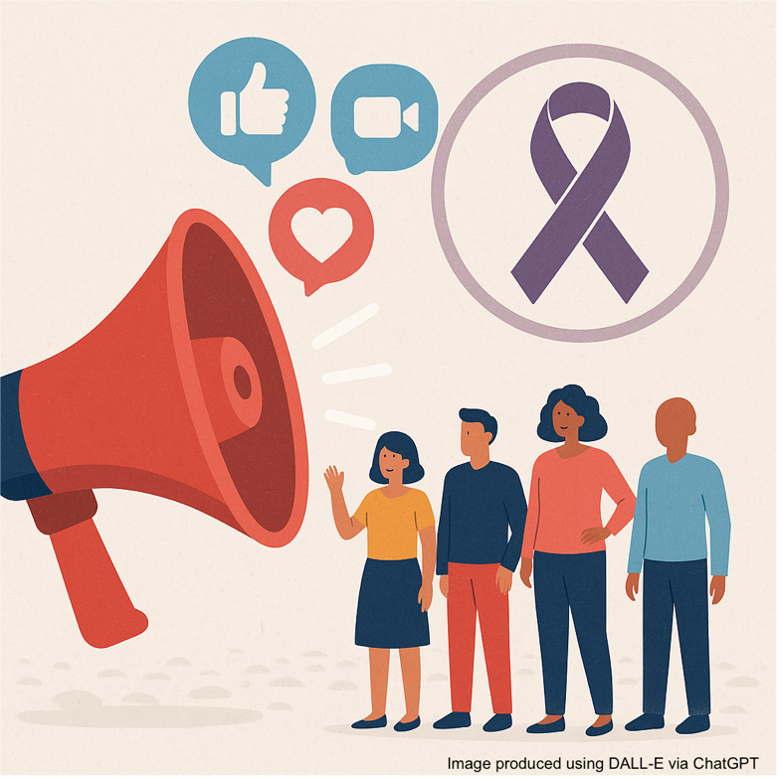
Being diagnosed with cancer and undergoing treatment has a long-lasting impact on those affected. Given the increasing population of people living with and beyond cancer in Switzerland and worldwide, population-based research in this area is critical. One of the aims of such research is to include a representative sample of those affected to draw solid conclusions and to inform policy and practice. At the same time, those living with and beyond cancer have very diverse experiences – while some draw strength from being a cancer survivor and supporting others with the diagnosis, others face social, occupational, physical, mental, or financial difficulties and stigmatization. To capture these diverse experiences and needs, it is critical to use clear, person-centered, sensitive communication strategies in research. In addition, social media can be a supportive platform for building a community of research participants and communicating science to the public.
To date, there is little evidence on the success factors and challenges of how to effectively engage those living with and beyond cancer in population-based research. Furthermore, there is little evidence about how social media can be effectively used in research to ensure high engagement, relevance, and communication with the public. This project aims to address this critical gap by identifying success factors and developing effective and tailored approaches to recruit and engage people living with and beyond cancer in population-based research.
Through key informant interviews with diverse key stakeholders, this project will identify success factors and challenges in communication for effective participant recruitment, continued engagement, and social media strategies in population-based research on cancer survivorship. In this process, we will involve people living with and beyond cancer alongside patient organizations, cancer leagues, cancer survivorship researchers, population researchers, and cancer storytellers. Through citizen science co-creation workshops, we will then co-develop recommendations and a concrete communication and social media strategy (communication toolkit) covering the full population research lifecycle. This will help to involve harder-to-reach populations in research, include diverse perspectives, communicate findings back to participants, and build a community among people living with and beyond cancer.